
Travelling With Strangers on an International Trip: What It’s Really Like (and How to Make Friends Fast)

Direct Answer Yes, most people on a group trip arrive knowing absolutely nobody, and that is completely normal. On a well-run trip you meet the group and the trip lead on day one, share a room with someone of the same gender, and spend so many hours together on trains, boats and dinner tables that the awkwardness fades faster than you expect. You don’t need to be an extrovert. You just need to show up. The Group Chat Question Nobody Says Out Loud You’ve found a trip you want to do. The itinerary is perfect, the dates work, and then the little voice kicks in: what if I don’t click with anyone? What if everyone already knows each other? What if I’m stuck sharing a room with someone I can’t stand for ten days? If you’re planning your first international trip from India, that voice gets louder, because you’re worried about the new country and the new people at the same time. Fair. So here’s a straight answer to the people question, based on how Trips N Tales trips are actually set up: groups of 12 to 15 strangers, aged 20 to 39, an icebreaker on day one, same-gender room sharing, and a trip lead who handles the logistics so you can focus on the humans. So… Do Most People Really Arrive Knowing Nobody? Yes. Most people who sign up for a group trip like this do it precisely because they don’t have a ready-made travel gang. The trip pages say as much: many solo travellers join, share rooms on a twin basis with someone of the same gender, and, in the company’s own words, “become a family.” Which means the most common feeling on day one isn’t “everyone here is a stranger except me.” It’s “everyone here is a stranger, including them.” That’s a much friendlier starting line than it sounds. What Day One of a Group Trip Actually Looks Like Using the Egypt trip as an example of how a Trips N Tales itinerary opens, day one goes roughly like this: Notice what’s missing: forced fun, mandatory bonding games, an evening-long performance of being sociable. The first day is mostly about getting everyone in the same place with a little structure so the silence doesn’t sit awkwardly. How Does Room Sharing Work? You’re matched on a twin-sharing basis with someone of the same gender. If you’re travelling solo, that’s your room-share for the trip. If you’re travelling with a friend, you’d naturally share with them. A few things worth knowing before it becomes a worry: How Friendships Actually Form on the Road Here’s the part brochures can’t tell you: friendships rarely form during the “official” bonding moments. They form in the gaps. Researchers who study friendship have tried to put numbers on it. A University of Kansas study by Jeffrey Hall, published in the Journal of Social and Personal Relationships, found that it takes roughly 50 hours of time together to move from acquaintance to casual friend, around 90 hours to become a friend, and more than 200 hours to become a close friend. Time spent working together counted for less than time spent hanging out, joking around and talking. Now do some rough maths on a 10-day trip. Group travel puts you in the same train compartment, the same cruise deck and the same dinner table for most of your waking hours. That’s an estimate, not a promise (nobody becomes best friends with all twelve people), but it explains why a group of strangers on day one can feel like a proper friend group by day eight. On a trip like the Egypt itinerary, those long, unstructured stretches are built in: [TRAVELLER STORY 1: Abhijeet mane, 1 year ago, Google star 1Google star 2Google star 3Google star 4Google star 5, What a fabulous and amazing trip.One of the best travel experience I ever had..Shreya you are amazing and what a sweet care taker you are ..:thank you so much for understanding and helping us throughout the trip..] [TRAVELLER STORY 2: Akshay Mendole, 1 year ago, Google star 1Google star 2Google star 3Google star 4Google star 5, my experience with trip n tales was very seamless, smooth and comfortable. The hotel stays were quite good. Internal flight timings were quite comfortable. Except at one place, the internal commute vehicles arranged by them were comfortable. It was very nice to meet our tour leader Sreya who was as amazing as a tour leader can be. I felt very comfortable with her. She was very flexible in accommodating our personal plans and at the same time carried the entire group together..] Tips for Introverts and First-Timers You don’t have to become a different person to make friends on a group trip. A few low-pressure moves that work: When It’s Awkward (and What to Do) Let’s be honest: it won’t be magical every single minute. A few situations come up on almost any group trip, and none of them mean the trip has failed. Group Trip vs Travel-Buddy App vs Open Community Meet-Up If you’ve been searching for a “travel with strangers” website, you’ve probably seen apps, communities and open meet-ups alongside group trips. They’re different tools for different situations. Generally speaking: Group Trip With a Trip Lead Travel-Buddy App Open Community Meet-Up Who plans the trip? The organiser plans the itinerary and bookings You and your match plan everything yourselves Varies; often informal Who you meet A group formed around the same trip dates One or a few people you choose Whoever turns up that day If plans go wrong Trip lead handles it You and your match sort it out Often nobody is responsible Accommodation Arranged, typically twin-sharing Up to you Usually self-arranged Best for First-timers, people who want logistics handled People who like full control over planning Meeting people casually, often at domestic or short events None of these is “the right one.” If your main worry is logistics and not knowing anyone, a group trip tends
Places to Visit in Egypt: 10 Stops Beyond the Pyramids (and Why It’s Better With a Group)
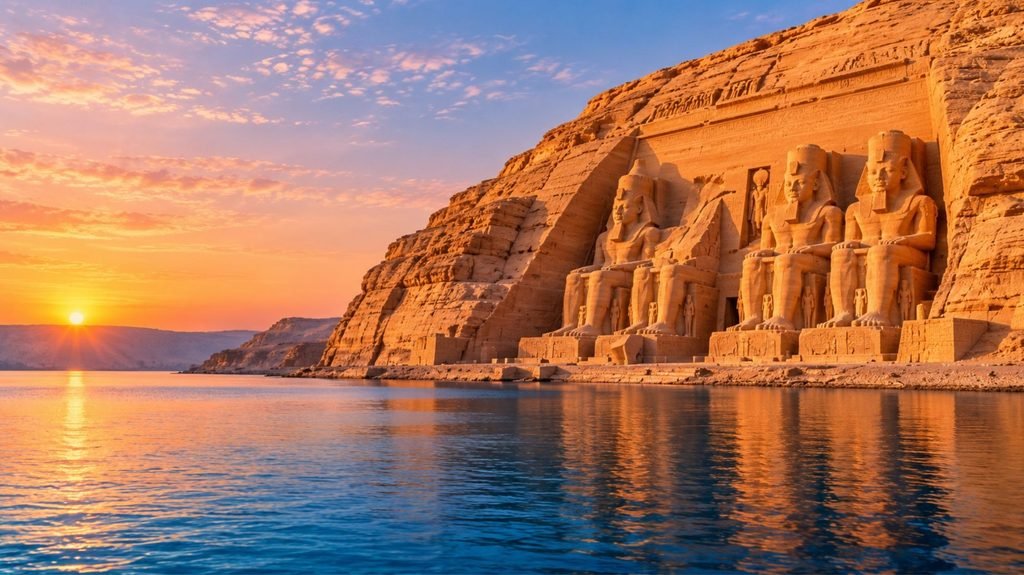
Direct Answer Planning Egypt? Don’t make the mistake of treating it like a pyramids-and-back kind of trip. Your route should start in Cairo, head south to Aswan by overnight train, follow the Nile to Luxor on a cruise, and then switch ancient temples for Red Sea beaches in Hurghada. Ten stops, one epic route, and absolutely no need to wonder what you’re missing next. Everyone’s Seen the Pyramids. Here’s What They’re Not Telling You About the Rest The pyramids have basically won the internet. You’ve seen the photos, saved the reels and probably sent at least one to your travel group chat. But here’s the plot twist: they’re only the beginning. The real Egypt experience continues south of Cairo, where you can cruise along the Nile, explore temples that have stood for thousands of years, visit a Nubian village and finish the trip with turquoise water along the Red Sea. It’s ancient history, local culture and beach time in one seriously varied itinerary. The problem with many “places to visit in Egypt” lists? They either stop at Giza or throw a dozen locations at you without explaining how you’re supposed to get between them. So let’s make this easier. Think of Egypt as a route rather than a bunch of disconnected destinations: Cairo to Aswan, along the Nile to Luxor, and across to the Red Sea. Once you understand the flow, planning becomes much less chaotic. Here’s your 10-stop guide, including what to expect, how the route works, what to budget for and the practical details you don’t want to discover halfway through the trip. The 10 Stops, Quick Version Want the itinerary at a glance before getting into the details? Here you go. Cairo and Giza: Where It All Starts Pyramids of Giza and the Sphinx You’ve seen the pyramids in photos. You’ve probably seen them in films, documentaries and approximately a million social media posts. And then you finally stand in front of them. Suddenly, the pictures make a lot less sense. The sheer size is difficult to appreciate through a screen, and all that ancient stone makes you realise just how wild these structures are. The Sphinx might be smaller than you imagined, but seeing it alongside the pyramids is still a proper bucket-list moment. Give yourself time to take it all in instead of rushing from one photo spot to the next. You’ll want the pictures, obviously, but you’ll also want a moment to appreciate that you’re actually there. Going with a group? This is usually where your fellow travellers start becoming actual travel buddies. Everyone’s seeing one of the world’s most famous landmarks for the first time, so there’s plenty to talk about beyond the usual “Where are you from?” conversation. Turns out, shared disbelief is a pretty solid icebreaker. Saqqara: The Step Pyramid If Giza is the celebrity of the pyramid world, Saqqara is the fascinating older sibling that deserves more attention. The Step Pyramid predates the smooth-sided pyramids at Giza, offering a glimpse into an earlier stage of ancient Egyptian pyramid construction. It’s a great stop if you’re curious about how these architectural ideas developed over time. You’ll also get a different atmosphere here compared with the crowds that can gather at Giza. After the big-ticket sights, a quieter historical site can be a welcome change of pace. Basically, if ancient Egypt has you asking, “But how did they figure all this out?”Saqqara belongs on your list. Khan El Khalili Market Ready for a break from ancient monuments? Head to Khan El Khalili, Cairo’s centuries-old market, where the energy shifts from historical wonder to colourful, bustling chaos. You’ll find spice stalls, lanterns, tea houses, souvenirs and plenty of little corners worth exploring. It’s a place to wander, browse and soak up the atmosphere rather than speed-run a checklist. Go hungry if you can. Food stalls and nearby eateries give you another way to experience Cairo beyond its landmarks. And if you’re planning to shop, get comfortable with bargaining where appropriate. Just remember to be respectful, agree on prices clearly and buy something because you actually want it, not because you’ve become emotionally invested in winning the negotiation. Aswan: Temples, a Village, and an Early Alarm Philae Temple Philae Temple comes with a little bonus before you even arrive: a boat ride to its island setting. Dedicated to the goddess Isis, the temple is one of the best-preserved ancient sites on this route. Its location gives the visit a different feel from exploring monuments surrounded by city streets or desert landscapes. Take your time here. The architecture, carvings and setting are all part of the experience, and the boat journey adds a nice change of pace to your day. If your camera roll is already looking impressive, prepare for more. Nubian Village Not every memorable stop needs to involve a temple that’s thousands of years old. A visit to a Nubian village gives you a chance to experience a distinct culture and community along the Nile. Instead of focusing only on ancient history, you get a glimpse of present-day life and traditions. That shift matters. Egypt isn’t just a giant open-air museum; it’s also home to people, communities and cultures that exist beyond the monuments on your itinerary. Approach the visit with curiosity and respect. Listen, learn and remember that you’re visiting a living community, not a photo backdrop. For many travellers, this becomes one of the most memorable stops precisely because it’s different from the ancient sites. Abu Simbel Let’s talk about the alarm. If Abu Simbel is on your itinerary, prepare for an early start from Aswan. The journey takes a few hours, so this is not the morning to stay up scrolling until 2 a.m. But the temples make a strong case for getting out of bed. Built under the reign of Ramses II, the monumental rock-cut temples are among Egypt’s most striking historical sites. Their scale and craftsmanship are impressive enough to leave you wondering how ancient builders managed
Best Time to Visit Egypt From India: A Month-by-Month Guide
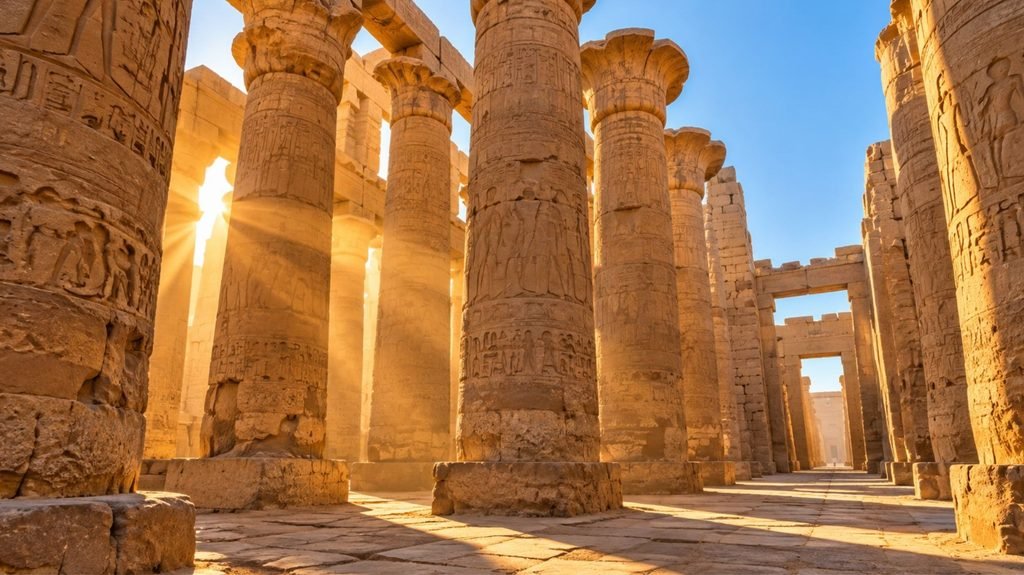
Direct Answer Planning an Egypt trip from India? October to April is your best bet, especially if you want to explore ancient temples without feeling like you’ve been slow-roasted by the sun. December to February is the sweet spot for comfortable sightseeing, but there’s a catch: everyone else wants in, too. Your ideal month depends on what you’re here for. Pyramids and temples? Red Sea diving? Fewer crowds? A New Year’s Eve celebration on a Nile cruise? Pick your travel personality first, then pick your month. Why “When” Matters More Than People Think Most “best time to visit Egypt” guides hand you a generic weather table and call it a day. That’s only half the answer. The real question for an Indian traveler choosing a month is: does this fit my leave, does the weather actually let me enjoy what I came for, and am I okay trading comfort for a better price (or vice versa)? Egypt’s sightseeing, Giza, Luxor, Aswan, the Nile cruise, lives or dies by temperature, while Red Sea diving in Hurghada runs on a totally different clock. This guide breaks down both, month by month, so the decision is about your trip, not just a generic chart. Egypt, Month by Month Month Weather Feel Crowds Prices Best For January Cool, comfortable (~22–24°C daytime in Luxor) High (peak season) High Sightseeing, comfortable temple days February Cool, pleasant (~24°C daytime) High High Same as January, slightly fewer crowds March Warming up (~28°C daytime), windier Moderate Moderate–High Good balance before summer heat kicks in April Hot starts creeping in (~34°C daytime) Moderate Moderate Early risers, shoulder-season deals May Genuinely hot (~39°C daytime inland) Low Lower Budget travelers who handle heat well June Very hot (~40°C+ inland) Low Lowest Diving-focused trips, heat-tolerant travelers July Peak heat (~41°C daytime inland) Low Lowest Red Sea only, inland sightseeing not advised August Peak heat (~40°C+ inland) Low Lowest Same — Hurghada over Luxor/Aswan September Still hot but easing (~39°C) Low–Moderate Lower Early-bird shoulder season, fewer crowds October Cooling down (~34°C, comfortable mornings) Moderate Moderate Great all-rounder month November Comfortable (~28°C daytime) Moderate–High Moderate–High Ideal sightseeing window December Cool, festive (~24°C daytime) Very High (year-end peak) Highest New Year’s trips, best overall weather (Temperatures reflect average daytime highs in Luxor/Aswan, the hottest inland stops on the route, sourced from historical climate data. Cairo runs noticeably milder year-round, and Hurghada’s Red Sea coast stays warm enough for diving across most of the year.) What Summer Heat Actually Means for Temple Days This part deserves honesty rather than a vague “it’s hot, pack sunscreen.” Luxor and Aswan, two of the most temple-dense stops on any Egypt route, average daytime highs above 40°C from June through August. That’s not “bring a hat” hot, that’s “outdoor sightseeing for hours is genuinely rough” hot. Early starts help (most desert destinations do mornings for a reason), but a full day walking Karnak’s columns or standing in Valley of the Kings tombs in July heat is a different experience than doing the same thing in November. This doesn’t mean summer Egypt is off the table, it means knowing what you’re signing up for. If diving in Hurghada is the main goal and the ancient sites are secondary, summer’s lower prices and empty sites are a legitimate trade-off. If Luxor and Karnak are the whole point, aim for the cooler months instead. Crowds and Price Trade-Offs by Season December to February is peak season in Egypt, and the weather is a big reason why. The temperatures are more comfortable for sightseeing, so naturally, more people want to visit at the same time. Translation? Flights, cruises and hotels can cost more, and major attractions get busy. Yes, even the Pyramids of Giza. Ancient wonders are popular for a reason. If you’d rather avoid the full peak-season rush, look at October, November or March. These shoulder-season months can give you a useful middle ground: better sightseeing weather, fewer crowds than the busiest winter period, and prices that may be less intense. Then there’s summer, from May to September. If you’re working with a tighter budget, this is the period worth looking at. Prices can drop significantly, and popular sites are generally quieter. The trade-off is the heat, especially if your plans involve long days exploring inland Egypt. The Pyramids, temples and Nile cruises operate throughout the year, so you’re not missing the entire experience by travelling outside winter. You’re simply choosing a different balance of weather, crowds and cost. The takeaway: Don’t chase the cheapest month without considering the itinerary. A lower hotel bill is great, but not if the heat makes half your sightseeing plans miserable. Egypt in December: The New Year’s Window If you’re looking for comfortable weather and a holiday that feels a little more special, December deserves a spot on your shortlist. Daytime highs in Luxor and Aswan hover around 24°C, making it one of the most comfortable months for exploring Egypt’s temples and historical sites. You can spend the day sightseeing without dealing with the brutal inland summer heat. And then there’s New Year’s Eve. Picture yourself celebrating on a Nile cruise deck, with the desert sky overhead and a river that has witnessed thousands of years of history. It’s a pretty memorable way to start a new year, to say the least. But December is also peak season, so don’t expect bargain-basement prices or empty attractions. Flights, hotels and cruises can be at their most expensive, especially around the year-end holidays. If a December Egypt trip is your goal, plan around the crowds instead of trying to outsmart them. Book early, budget realistically and embrace the festive-season energy. Sometimes the right month isn’t the cheapest one. It’s the one that gives you the experience you actually want. Pick Your Month: A Quick Decision Guide Still staring at the calendar like it’s a multiple-choice exam? Here’s your shortcut. Once you’ve locked in your month, it’s time to figure out where to go. Ready to Pick Your Dates? If
How Much Does an Egypt Trip Cost From India? A Real 10-Day Breakdown

Direct Answer: Planning a 10-day Egypt trip from India? Keep roughly ₹1.7–2 lakh per person aside if you’re joining a group trip that covers hotels, a Nile cruise, transfers and most activities. That includes a trip package costing around ₹1.2–1.3 lakh, plus flights (₹35k–45k), a visa (around ₹7,500) and monument entry fees (around ₹9,000). Yep, the pyramids have a budget of their own. Here’s the full breakdown so your dream trip doesn’t turn into a financial plot twist. The “Starting At” Trap You’ve seen the travel ads. A gorgeous pyramid, a dreamy Nile cruise and a price that makes you think, Wait, Egypt for that little? Say less. Then you reach the checkout. Flights? Extra. Visa? Extra. Entry fees for the monuments you literally came to see? Also extra. Suddenly, you’re doing mental arithmetic in the group chat while three friends insist the original price was supposed to cover everything. Fun times. So let’s skip the financial jump scare. This breakdown uses a typical 10-day Cairo–Nile–Hurghada itinerary, similar to the route many group trips and tour operators follow. You’ll see what usually comes with the package, what you’ll pay separately and where you can save without making the trip unnecessarily uncomfortable. No vague promises. Just the numbers you need before you book. What’s Actually in a 10-Day Egypt Trip Your typical 10-day Egypt adventure covers three big experiences: Cairo’s pyramids and ancient sites, a multi-night Nile cruise between Aswan and Luxor, and some downtime on the Red Sea coast in Hurghada. Think Giza and Sakkara, temples like Philae and Karnak, the Abu Simbel excursion, and a few days by the sea. Basically, ancient-history overload followed by beach mode. But here’s the catch: not everything you see in the itinerary is automatically included in the package price. Cost category Usually included in trip price Usually paid separately Hotels in Cairo and Hurghada ✅ — Nile cruise cabin ✅ — Most breakfasts and several lunches/dinners ✅ — Inter-city transfers, including train, bus and cruise transfers ✅ — Core sightseeing, including Giza, Sakkara, Philae, Luxor and Abu Simbel ✅ — International flights — ✅ Egypt e-visa — ✅ Monument and site entry fees during the cruise — ✅ Hot air balloon ride in Luxor — ✅ Optional Meals not specified in the itinerary — ✅ Airport drop-off at the end of the trip — ✅ Depends on flight timing Your booking rule: Never assume an activity, meal or transfer is included just because it appears in the itinerary. Check the inclusions and exclusions before paying. Your future self will appreciate it. The Trip Price Itself For a 10-day group trip like this, expect the main package to cost around ₹1.2–1.3 lakh per person. That typically gets you 3–4 star hotels for the land portion, a 5-star Nile cruise for the river leg, group travel with around 12–15 people, transfers between cities, most meals and the main sightseeing experiences. Some trips also offer early-bird pricing. If your dates are flexible and you’ve already decided to go, booking before the offer deadline could save you a few thousand rupees. Not bad for doing the same trip with a little less damage to your wallet. But, and this is a fairly important but, that package price isn’t necessarily your final bill. Flights, visa fees and monument entry charges can sit outside the headline amount. Add those, and the total starts looking very different. Let’s get into the extras people tend to forget. Visa: What It Actually Costs and How Long It Takes Before you start mentally posing in front of the pyramids, sort out your visa. For planning purposes, budget around ₹7,500 for the Egypt visa. The stated processing window is approximately 5–7 working days, but applying at least 2–3 weeks before departure gives you some breathing room if anything needs attention. You can check the official Egypt e-visa portal rather than immediately paying a third-party agency to handle the application. Why pay an additional service fee without first checking whether you need that help? There’s one important detail, though. The application process and eligibility requirements for Indian nationals may involve an accredited Egyptian travel agent or sponsorship. Don’t assume every passport holder can complete the process independently just because an online portal exists. Check the current requirements directly before applying. Visa rules and procedures can change, and an old travel blog isn’t going to fix a last-minute application problem. Your move: Check the official requirements, confirm the applicable fee and apply early. Visa admin is boring. Missing your trip because you left it too late is considerably worse. Entry Fees: The Line Nobody Mentions You’ve reached Egypt. You’ve booked the trip. You’re ready for temples, tombs and a truly unreasonable number of photographs. And then come the monument entry fees. On a Nile cruise itinerary, entrance charges for sites such as Abu Simbel, Kom Ombo and Philae may be paid directly at the sites rather than included in the main package. Across a full cruise itinerary, budget roughly $90–100 USD, or around ₹9,000, for these additional fees. The exact amount depends on the sites included in your itinerary and the applicable ticket prices. This isn’t necessarily a sneaky extra from your tour operator. Monument tickets can be separate from the services covered by your package, so the cost needs its own place in your budget. Budget tip: Ask your operator for a list of included sightseeing tickets and separately payable entrance fees. “Sightseeing included” can mean different things depending on the package. Get the details before you book, not when you’re standing at the ticket counter. DIY Versus Group Trip: An Honest Comparison Can you plan the same 10 days yourself for less? Absolutely possible. Is DIY automatically cheaper? Not necessarily. Your final cost depends on your hotel choices, cruise booking, travel dates, transport and whether you’re travelling solo or sharing costs with someone else. Here’s how the two options compare. DIY Group trip Flights You’re booking the same flights and paying the applicable
Is Kazakhstan Safe (and Worth It) for Indian Travelers? What No One Tells You

Direct Answer Yes, Kazakhstan is genuinely safe for Indian travelers, including solo women, with low violent crime and a heavily policed tourist core in Almaty. It’s also visa-free for 14 days and cheaper than most people assume. The real planning gaps are language, distances, and altitude, not danger. Why Kazakhstan Sits on the “Maybe Someday” List Okay so Kazakhstan lives in a very specific corner of every Indian group chat. Someone drops a reel, turquoise lake, canyon that looks like NASA shot it by mistake, everyone’s unhinged with excitement for four minutes, and then the questions start rolling in like a bad customer service queue. Is it safe? Do we need a visa? Is it expensive or is it secretly cheap? And the one nobody says out loud but everyone’s definitely thinking: is this just Russia cosplaying as its own country? And then, tragically, it gets shelved. Right next to that Iceland trip that’s never actually happening. Here’s the annoying part, most of what’s out there answering this is either copy pasted government advisory energy or just doesn’t exist, which is wild for a place that’s had visa free entry for Indians since 2022 and direct flights out of Delhi. So let’s actually sort this out. Is Kazakhstan Actually Safe for Indian Tourists? Yes, and honestly, not even a close call. It’s one of the more stable, lower crime countries in Central Asia, and Almaty’s tourist core is so heavily policed you’ll practically trip over a patrol every few blocks. Nobody’s getting mugged in Panfilov Park, we promise, breathe. The real risks are almost embarrassingly boring. Taxi scams, unofficial drivers charging inflated rates especially after 10pm when public transport clocks out, and pickpocketing in busy bazaars like the Green Bazaar. Fix both with the bare minimum effort, use Yandex Go or inDrive instead of flagging a random car off the street, and keep your bag zipped and in front of you at the market. That’s the entire safety briefing. We’re not manufacturing drama where there isn’t any. Is Almaty Safe for Solo Female Travelers? Yes, loudly yes. Widely considered the easiest Central Asian city for women traveling alone. Walkable central districts, a young cosmopolitan crowd, reliable ride hailing apps so flagging a sketchy street taxi is never even an option, and a secular culture with zero dress code or mobility restrictions to navigate. People consistently report curiosity from locals, not harassment, which honestly feels rare enough to mention twice. Same universal rules apply, stick to well lit, busy areas at night, be a bit sharper around outskirts and bus stations after dark. What About the 2022 Unrest: Is That Still a Concern? Worth just saying it plainly instead of pretending it never happened. January 2022 had nationwide protests and a brief state of emergency, with outside intervention lasting about two weeks. Real, it happened, it shaped how the government handles big gatherings now. But every current report says the same thing, stable for years, tourist spots running completely normally, zero ongoing unrest touching visitors. One rule of thumb: don’t whip out your phone to film a political demonstration if you stumble on one. Just common sense, applies literally anywhere on earth. Do Indians Need a Visa for Kazakhstan? Nope, not for a standard trip, and it’s honestly refreshing. Indian passport holders get 14 days visa free, a rule locked in since Decree 464 back in July 2022. No embassy visit, no e visa application, no fee. One of the easiest borders you’ll cross all year, full stop. Let’s be precise since blogs keep botching this: 14 consecutive days per visit, capped at 42 total days within any rolling 180 day period. Covers tourism, private visits, short term business. Doesn’t cover paid work or long term study, obviously, nice try. There’s also an unrelated announcement that keeps getting tangled into this conversation. In January 2026, India said it’ll offer Kazakhstani citizens free 30 day visas to boost bilateral tourism. That’s the reverse direction, it changes what Kazakh citizens get entering India, not what you get entering Kazakhstan. If you’ve seen “30 days” floating around near Kazakhstan visas somewhere, that’s almost certainly getting mixed up by someone who didn’t read past the headline. Want to stay longer than 14 days? Most first timers aren’t even close to trying, but if you are, you’ll need an actual visa arranged in advance. Doesn’t auto extend, 14 days is a hard per visit limit, no charming your way past the border officer on this one. Is Kazakhstan Cheaper Than People Assume? Yes, generally, and by a decent margin. It’s not a backpacker bargain basement the way parts of Southeast Asia are, but it’s noticeably cheaper than the “Central Asia must be complicated and expensive” energy everyone’s operating on by default. Mid range travellers land around ₹5,000 to 8,000 a day, food, local transport, the usual activities. A well planned 5 day trip from Delhi, flights, four nights of stay, day trips to Charyn Canyon, food, local transport, can realistically come in around ₹65,000 to 70,000 all in. Less than some domestic trips, not gonna lie. Flights From India, Closer Than It Sounds Air Astana runs direct from Delhi to Almaty, roughly three and a half hours, genuinely shorter than flying Delhi to several South Indian cities, let that sit with you for a second. Round trip fares booked a few weeks ahead commonly land ₹36,000 to 45,000. Mumbai’s got connectivity too, Delhi just wins on frequency. Where Costs Sneak Up Visa’s free flights are predictable, but day trips to Charyn Canyon or Kolsai/Kaindy Lakes usually run as organized tours since public transport straight up doesn’t reach them, and booking those piecemeal instead of packaged adds up fast. Grab a local SIM the second you land, Beeline or Kcell, available right at the airport, data’s dirt cheap and you’ll genuinely want offline maps and translation tools given the language gap. Cash still rules in rural guesthouses and smaller towns, even though cards behave fine in
Bali Trip Guide 2026: Best Time to Visit, a 7 Day Itinerary, and What to Know Before You Go

Quick answer: Because we know you’ve got twelve tabs open: dry season, April to October, with June through August as the busiest and priciest stretch nobody warns you about early enough. April, May, September and October are your sweet spot months, good weather without the crowd chaos. Six to eight days is genuinely enough to do Ubud, the south coast, and a Nusa Penida day trip properly, without coming home more tired than when you left. The Actual Planning Problem With Most Bali Guides Most Bali content does one of two things. Either it sells you the island as a permanent Instagram filter, infinity pools, that one swing, golden hour every single hour, or it buries the actually useful stuff three thousand words deep under twelve paragraphs about “finding yourself.” Wild, we know. This guide skips straight to the specifics. When to actually go based on real crowd and price trade offs, how many days genuinely make sense, a sample flow through Ubud, the south coast and Nusa Penida, a realistic mid range budget including flights from India, and a straight answer on why Bali might be the one destination where a small group genuinely beats solo logistics. Not because solo travel here is unsafe, just because scooters, boat transfers and split costs behave differently on an island like this. When is the best time to visit Bali? Dry season runs April to October, June through August is the busiest and priciest stretch, mostly thanks to the northern hemisphere summer holiday overlap (yes, that’s why every beach club suddenly looks like a school reunion). Shoulder months, April, May, September and October, hit that sweet spot of good weather, manageable crowds, and lower prices. Months Season Crowds Prices Notes April, May Shoulder (dry) Moderate Lower Good weather, fewer tourists June to August Peak dry High Highest Northern hemisphere summer holidays, book ahead September Shoulder (dry) Moderate Lower Often the sweet spot month October Shoulder (dry to wet) Lower Lower Occasional early rain, prices ease noticeably November to March Wet season Lowest Lowest Short, often afternoon showers, lush landscapes Is the wet season actually worth avoiding? Not necessarily, honestly. Rain in Bali’s wet season is usually short and predictable, an afternoon or overnight downpour rather than a full day washout, and hotel prices drop noticeably. If cheaper stays and quieter beaches matter more to you than guaranteed sunshine, genuinely consider November through March, especially the earlier and later ends of that window. What about Nyepi, the Day of Silence? Once a year, the entire island shuts down completely, including the airport, for Nyepi, the Balinese New Year observance. The Ogoh ogoh parade the night before is a genuinely wild spectacle if your timing lines up. But checking the exact date before booking flights, arriving or departing on Nyepi itself just isn’t possible, no exceptions, no “but I have a connecting flight.” How many days do you actually need in Bali? Six to eight days covers Ubud, the south coast, and a Nusa Penida day trip properly, no sprinting between locations or losing a full day to logistics. Those 10 to 14 day itineraries some guides push often just mean bolting on destinations that don’t add much on a first trip, better saved for round two, or extended out to Lombok and the Gili Islands instead. A realistic 7 day Bali itinerary Days 1 to 2, Ubud: Start with Tegallalang Rice Terrace, waterfalls such as Tibumana or Tukad Cepung, local food and some of Ubud’s surrounding sights. If you’re doing an organised trip, this is also where you can fit in the more active experiences without trying to cover the entire island in one day. Days 3 to 4, Gili Trawangan: Make your way to the Gili Islands and slow down the pace slightly. Spend the day around the water, go snorkeling, explore the island, and take in the famous Gili atmosphere. If you’re up for it, Gili Meno and Gili Air can also be explored by boat. This is the part of a Bali trip that often gets skipped in generic itineraries, even though it’s a major highlight when you’re actually combining Bali and Gili. Day 5, Seminyak: Head back towards Bali and spend the day around Seminyak. Beach time, cafés, sunset and a night out work better here than trying to squeeze in another long sightseeing circuit. Keep the evening open because this is one of those days where doing less is actually the better plan. Day 6, Bali’s adventure and nature side: Use the day for one or two experiences rather than five. Depending on your route, that could mean a waterfall, rice terraces, a coffee plantation, or another outdoor activity. The point isn’t to collect locations, it’s to actually enjoy the day without spending half of it in traffic. Day 7, East Java or departure: If you’re following a longer Bali and Gili itinerary, this is where the route can continue towards East Java rather than treating Bali as the final stop. The Trips N Tales itinerary extends into Banyuwangi and the Mount Ijen experience, including the early morning trek for the crater and blue fire experience. If you’re doing a standalone seven day Bali trip, keep the final morning free for shopping, a beach visit or your departure. Want this exact circuit, plus a Gili Islands extension, handled without piecing together boats and drivers yourself? That’s what the Trips N Tales Bali and Gili Islands trip covers. What does a Bali trip actually cost from India? A mid range 7 day trip, flights, stays, food, activities, local transport, breaks down into a few clear pieces rather than one vague “it depends.” Category What to Expect Return flights from India Roughly ₹25,000 to ₹60,000+ depending on departure city and season, southern cities like Bengaluru and Chennai tend to run cheaper than Delhi, book 2 to 3 months ahead for better fares Accommodation (7 nights) Mid range guesthouse or 3 star hotel Food Mix of warungs and sit down
Group Trip to Bali vs Solo: What Actually Changes on the Ground
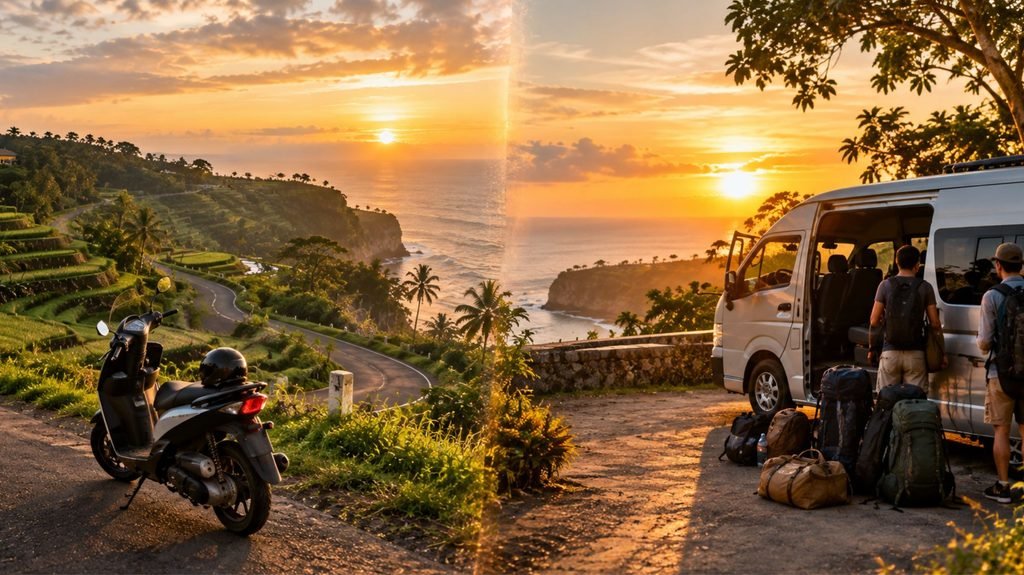
A group trip to Bali removes the two biggest solo friction points, scooter risk and boat-transfer logistics, and works out similar in cost once you add a private driver. Solo travel wins on flexibility and cost only if you’re comfortable riding a scooter and booking your own Nusa Penida or Gili transfers. Neither option is objectively “better.” They just suit different travellers. Quick takeaways: The real question isn’t which trip is more fun Every Bali solo vs group article on the internet wants to ask you the same personality quiz question. Are you the “meet strangers at a hostel bar” type or the “I need my friends pre installed” type? Cute question. Also completely useless, because it skips right past the thing that actually determines whether your trip is chill or a low-key disaster, and that thing is: who’s dealing with Bali’s traffic. Because here’s the truth nobody puts in the first paragraph. Bali’s roads run on the left, the hillside routes up toward Uluwatu have zero shoulder and blind corners that appear out of nowhere like they’re personally offended you exist, and getting yourself to Nusa Penida or the Gili Islands means navigating a boat agent system that has, on more than one occasion, sold the same seat to three different tourists. None of that is a vibes question. It’s a logistics question, and it’s the one this article is actually going to answer. Short version up top: a group trip removes your two biggest headaches, the scooter and the boat tickets, and lands at almost the same price as solo once you add a driver. Going solo wins on flexibility and cost, but only if you already know how to ride a scooter and you have the patience for a boat agent trying to upsell you mid crossing. Neither wins outright. They’re just for different people, and possibly different tolerance levels for chaos. Is it safe to ride a scooter in Bali as a first-timer? No. Just no. And we say that with love. The roads that make Bali look so unbearably aesthetic in every reel you’ve ever watched, the rice terrace shortcuts, the switchbacks up near Bingin, are the exact same roads causing the majority of tourist accidents. Traffic runs on the left, which quietly wrecks anyone who’s only ever ridden on the right, and Bali’s main trauma hospital sees hundreds of road accident cases a month, a real chunk of them foreigners, and mostly on two wheels, not four. You’ve probably also seen the “Bali banned scooters for tourists” headlines floating around. That’s not true, at least not yet. There’s a draft regulation, nothing’s passed. What has actually changed is enforcement, police checkpoints are now pulling over foreign riders and asking for an International Driving Permit with an actual motorcycle endorsement, not just your regular home licence. Show up without it, crash, and your travel insurance simply will not pay. Every single medical bill becomes your problem, on holiday, in a language you don’t speak, great time. And here’s the part that actually gets people: it’s never the first ride that goes wrong. It’s day four. You’ve had a few smooth, confidence building laps around a quiet neighbourhood, you’re feeling like a local, and that’s precisely the mental state that takes someone down a hillside road near Uluwatu at exactly the wrong moment. Scooter vs private driver: the real cost per person Solo on a scooter, you’re looking at IDR 60,000 to 150,000 a day, roughly ₹300 to 750, dirt cheap, total freedom, detour wherever you want. A private driver for the whole car runs more upfront, IDR 550,000 to 850,000 a day, but here’s the trick, that price barely moves whether there’s one person in the back seat or six. So if it’s just you, or you and one other person, the scooter wins on price, easily. But the second you’re four or more people, a shared driver often comes out cheaper per head, and it removes the accident risk entirely. There is no scenario, none, where six people on six individual scooters makes financial or safety sense. If your group chat is even entertaining that idea, this is your sign. Getting to Nusa Penida or the Gilis Is Where Solo Travellers Actually Lose Money Not to the boats themselves, to be clear. The crossing is genuinely fine, life jackets, established operators, nothing dramatic happening on the water. The fast boat from Sanur to Nusa Penida takes about 45 minutes and runs IDR 170,000 to 215,000 one way booked online, plus a 25,000 IDR port fee on arrival. Getting to the Gilis is a longer, separate route, usually through Padang Bai or bundled by an operator. The actual chaos happens at the booking stage. Tickets get sold through resellers who quietly mark up the price without saying so. Return tickets somehow get flagged as “no longer valid” at the port despite the date and time being exactly right, and there’s absolutely no logic to it, you just have to argue your way through. Then there’s the classic mid-crossing upsell, someone suddenly offering you a “less cramped seat” for extra cash while you’re already thirty feet from shore, which, sure, take my money, what choice do I have. None of it is dangerous. All of it is the kind of thing that eats a full hour off either end of the day you planned around sunrise photos at Kelingking Beach, and doing it solo with no local number to call means you’re the one standing at the counter, alone, negotiating with someone who has clearly done this a hundred times and you have done it zero times. A pre-booked group itinerary just skips this entire section of the article. Seats are confirmed ahead, transfers are already bundled in, and nobody’s re-explaining their booking to a port agent at 7am while visibly still asleep. Group trip to Bali vs solo: real cost comparison from India Most articles compare solo and group cost in the abstract. Here’s
Bali or Thailand? How to Actually Pick Between Them in 2026

Direct Answer Bali suits travelers who want a packed mix of beaches, waterfalls, culture, islands, adventure, and scenery across Bali, Gili and beyond. Thailand suits travelers who want cities, islands, nightlife, nature, and plenty of variety packed into one trip. Neither one is objectively “better.” It comes down to what kind of week you actually want. The Group Chat That Never Ends Okay so your group chat has been going in circles for three weeks now. Someone dropped a poll. Someone’s cousin who went in 2019 has Very Strong Opinions. Someone asked “can we just do both” and got left on read by everyone. We’re not writing another “top 10 reasons Bali is dreamy” post. Here’s what actually decides this for you: real costs from India, a visa rule that changed literally this month and most blogs haven’t caught up yet, and which trip you’re actually trying to have versus which one just has better lighting on Instagram. Bali or Thailand: The Honest 30-Second Answer Bali is one island, but a Bali trip doesn’t have to mean staying in one place. Thailand is a whole country. That’s genuinely most of the comparison once you strip away the aesthetic. Who Should Pick Bali If your version of a good trip is mixing beaches, waterfalls, rice terraces, island hopping, adventure and a few genuinely wild experiences into one itinerary, Bali’s your answer. You can go from Ubud’s waterfalls and rice terraces to Gili’s beaches and snorkeling, then keep going into East Java for something completely different. It’s less about sitting in one place and more about packing a lot of different experiences into one trip. Who Should Pick Thailand If you want a city, a couple of islands, temples, and street food that changes every fifty meters without applying for three visas or booking three flights, Thailand’s doing all of that in one trip. It’s also just easier logistically, and as of this month, even more so. Visa and Entry, This Is Where They’re Actually Different in 2026 Thailand’s visa-free rule just changed, and half the blogs online still haven’t updated this. Indians used to get 60 days visa-free. The Thai Cabinet quietly rolled that back. As of September 15, 2026, it’s 30 days, not 60. Still genuinely visa-free, no fee, no application, but you now need the Thailand Digital Arrival Card (TDAC) filled out online within 72 hours of landing. Skip it and you’ll be filling it out at the immigration counter while an entire flight’s worth of people stare at the back of your head. For a standard 7 to 10 day trip, 30 days is plenty. Only matters if someone in your group was quietly planning to disappear solo afterward. Bali’s e-VOA isn’t optional, Indonesia just doesn’t offer visa-free for Indian passports. Budget ₹2,500 to 3,000 for the e-VOA plus a separate Bali Tourist Levy of about ₹800 (IDR 150,000) that literally everyone pays regardless of visa type. All in, that’s close to ₹3,300 to 3,800 a person before you’ve even left the airport. Put it in the group spreadsheet now, not as a surprise at immigration. What Does Each Trip Actually Cost From India? Flights- Direct vs. Layover Reality Thailand wins, it’s not close. Bangkok and Phuket have direct flights from multiple Indian cities, 4 to 5 hours, return fares usually ₹16,000 to 35,000. Bali has zero direct flights from India. You’re connecting through Singapore, KL or Bangkok, 6 to 8+ hours total, and fares swing between ₹22,000 and 45,000 depending how last-minute you are (don’t be last-minute with Bali). Daily Spend, Where Each Destination Quietly Costs More Thailand runs ₹2,500 to 4,000 a day mid-range, street food is ₹80 to 200 a plate, hostel beds start under ₹1,000. Bali sits higher, ₹3,500 to 5,500 a day, depending on where you’re staying and how much you’re packing into the trip. The math nobody does: Bali costs can climb quickly when you’re booking private accommodation or adding activities, but the total depends heavily on how you travel. For groups, shared accommodation can change the per-person calculation considerably. So “Thailand is cheaper” is generally true, but it’s not the whole story. The Vibe Difference Nobody Puts Honestly Bali is the variety within the destination. One day you’re chasing waterfalls and rice terraces around Ubud, the next you’re snorkeling around the Gili Islands, and later you’re heading into East Java for the Ijen experience. It’s scenic, social and activity-heavy, with plenty of room for beach time in between. Thailand rewards being a little restless. Phuket, Khao Sok and Krabi can all feel like completely different trips, from boat parties and beaches to rainforest, floating huts and island hopping. Every day can look completely different, which also makes it the better pick when half your group wants nightlife and the other half wants a quiet beach and nobody’s willing to budge. Best Time to Go, and Why “It Depends” Isn’t a Cop-Out Here’s the annoying part: Bali and Thailand’s best months don’t overlap. Bali’s dry season is May through September, busiest and driest in July/August. Thailand’s coolest, best window is November through February, basically the opposite half of the year. There’s no single month where both are peaking. Pick your month, then let that pick your destination. Even within Thailand it’s messier than people admit. Phuket and Krabi (Andaman side) get rain roughly from May to October. Koh Samui and Koh Phangan (Gulf side) run on a totally different schedule, wetter months later, September to December. So “the best time for Thailand” actually depends on which islands are on your list. If your group genuinely can’t decide and wants flexibility to swap closer to the date, April or September are the fairest shoulder-season compromise. Neither destination’s at its best, but neither’s at its worst either. First Trip to Southeast Asia? That Changes Things a Bit Bali can be straightforward to plan as a destination, but the kind of Bali trip you choose matters. A Bali itinerary that includes Ubud, Gili and
Solo Travel in Vietnam: Best Places to Go (and When a Group Makes It Easier)

Quick answer: Hanoi, Hoi An, Da Nang, and Ho Chi Minh City are the easiest places to start solo travel in Vietnam, walkable, well connected, and full of social hostels. Ha Long Bay works best as a group cruise rather than solo, and the Ha Giang Loop and remote Sapa treks are genuinely harder alone, terrain, language, and safety make a guided setup the smarter call there, not just the comfortable one. Why Vietnam is one of Asia’s best solo (and group) destinations Picture this: you’re standing at a Hanoi Old Quarter intersection for the first time. Motorbikes are coming from every direction. There’s no crosswalk signal anywhere in sight. And then it hits you, the only way across is to just start walking, steady pace, and trust the chaos to part around you like some kind of two wheeled Red Sea. That, my friend, is the real welcome mat to solo travel in Vietnam. Not the lantern lit streets on your Pinterest board, this. Vietnam is cheap, ridiculously well connected by train, bus and domestic flight, and home to a hostel scene so social you’ll forget you came alone within about a day. Most of the country hands you solo travel on a plate. A specific handful of routes, mostly tucked up in the mountains, genuinely don’t, and we’re not going to pretend otherwise. Best regions for solo travellers How much does solo travel in Vietnam actually cost? Backpacker mode (hostel dorms, street food, local transport) runs $15 to $25 USD a day. Want a bit more breathing room, private rooms, better meals, more comfortable transport? That bumps you to $30 to $50 USD a day. Destination Solo Difficulty Why Best Time Hanoi, Hoi An, Da Nang, Ho Chi Minh City Easy Walkable, strong hostel and transport infrastructure December to April Ha Long Bay Easy but better as a group cruise Bundles transport, cabins, and activities, more social October to April Sapa (main trails) Easy to moderate Well marked routes near town are fine solo September to November, March to May Sapa (remote treks), Ha Giang Loop Genuinely harder solo Terrain, language, safety on mountain roads September to November, March to May Hidden costs people forget A local SIM card matters from day one, not just for maps, Grab genuinely won’t cooperate without a working local number. Entrance fees at national parks and caves add up quietly, especially around Phong Nha and Ninh Binh, and if you’re doing the Ha Giang Loop, budget separately for a guide or easy rider fee. Don’t treat it as an afterthought, it’s basically part of the ticket price. The parts of Vietnam that are genuinely hard solo A handful of routes in Vietnam aren’t really a “solo versus group” debate at all. Terrain and language pretty much make the decision before you even get a vote. The Ha Giang Loop Riding motorbikes through extreme mountain switchbacks in the far north is genuinely dangerous without an experienced local rider, this is not the place to learn on the fly, no matter how confident you felt on that rental scooter in Da Nang. An easy rider tour, where a local drives and you just ride along, solves this properly. Safety, gear, and built in company, all in one package. Sapa trekking beyond the main trails The well marked routes near town? Totally fine solo. But venture further into the remote hill tribe villages and mountain paths and it’s a completely different story, considerably smoother and safer with a local guide and a small trekking group who actually know the terrain. Overnight sleeper trains during peak season Booking solo isn’t dangerous, just genuinely trickier. Availability and berth sharing logistics get harder without planning ahead. A few days’ lead time through a reliable booking platform saves you from ending up with a bad berth or, worse, no ticket at all. Language barriers outside major tourist hubs English drops off fast once you’re off the well worn tourist route, and translation apps only get you so far once the conversation goes beyond “one coffee please.” How TripsNTales’ Vietnam trip covers exactly those hard parts A well built circuit through the north, Hanoi, Ha Long Bay, and Sapa or Ha Giang, mirrors almost exactly what independent travellers end up piecing together anyway, minus the stress of booking an easy rider, negotiating a trekking guide, and crossing your fingers a sleeper berth happens to be free during peak season. Trips N Tales runs a circuit covering this exact stretch through Vietnam with Phu Quoc, pairing the trickier logistics up north with island time down south. Built for travellers who want the mountain routes handled properly without losing the adventure that made going solo appealing in the first place. Real details worth knowing before booking anything Overnight sleeper trains and buses connect most of the country affordably, but booking during peak season without planning ahead can mean a bad berth or no seat at all. Book a few days out through a reliable platform rather than assuming a same day ticket will just appear. SIM cards matter from the very first day, not just for maps, ride hailing apps like Grab genuinely need a working local number to function at all. Street food culture makes solo dining a total non issue almost everywhere in Vietnam, communal seating at food stalls means nobody blinks at a table for one, it’s simply how the whole country eats. And the gap between a tourist trap and a genuinely local spot often comes down to walking one street further than the main strip, especially true on Ta Hien in Hanoi or Bui Vien in Ho Chi Minh City. Worth experiencing once, sure, but that’s not where the good, cheap food actually lives. A simple two week first timer route Hanoi (3 days) into an overnight cruise in Ha Long Bay (2 days) into Sapa (2 days) into Hoi An via Da Nang (4 days) into Ho Chi Minh City (3 days) to fly home.
Solo Trip or Group Trip? How to Actually Decide in Your 20s
Quick answer: The real decision usually comes down to three things, how much control you want over your budget, how much logistics you’re willing to handle alone, and whether loneliness or compromise sounds worse to you. A group trip for solo travellers works best when the destination is complex or the timeline is tight. Fully independent works best when flexibility matters more than convenience. Ready to skip the debate entirely? The Trips N Tales trip calendar has small group departures built specifically for solo travellers. The Real Question You’re Actually Asking Planning a trip alone sounds so iconic, until the practical decisions start piling up. You want the freedom to change plans, stay somewhere an extra afternoon, and set your own pace. But then you think about someone else sorting the transport and stays, and honestly? That sounds kind of dreamy too. So it’s rarely about which one is “better.” They’re two very different experiences, and the right one depends on what you’re okay compromising on during a two or three week trip. Three things usually make the answer obvious: cost, safety, and social energy. How much you want to spend, how independent you feel like being, and how much human interaction you want daily will tell you more than any generic listicle ever could (yes, including this one). Is a solo trip or a group trip cheaper? Neither wins outright. It depends entirely on the route. Solo travel usually costs less day to day because you only pay for what you use. But a group trip can come out cheaper once permits, private transport and guide fees for a complex route get priced in properly. What solo travel actually costs day to day A backpacker style solo budget for most of Asia or India sits around 2,000 to 2,800 rupees a day, covering hostel dorms, local food and public transport. That number climbs fast when the second private transfers, solo dining, or entry fees you’d normally split with a group get added on top. What gets baked into a group trip package (and is easy to forget) Group pricing usually bundles permits for restricted regions, private transport between stops, local guide fees, and group rate stays that independent travellers booking one room at a time just can’t get. None of it shows up as a separate line item when you compare your solo daily budget to a group trip’s upfront price, which is exactly why the comparison feels so unfair. The math most people skip An eight day tour can look pricey next to a solo daily budget, until you price the same route independently. Transport between every stop, entry fees, a guide wherever permits are needed, and stays at the same standard. Built out fully, the gap shrinks a lot more than you’d expect. Do the actual math before writing off a group trip as the expensive option! Who handles safety and logistics on each? Going solo means every single piece sits on you. Train bookings, permits, what happens when a flight gets cancelled. A group trip shifts most of that onto the operator, who has usually already faced the exact same problem before. What’s on you when you travel solo Booking trains in peak season, tracking permit rules for restricted regions, and building a backup plan for delays all land on you. None of it is impossible. It just takes real planning and a whole lot of patience with government portals (we see you, buffering wheel). What a group operator actually absorbs A decent operator rebooks when things fall through, brings local knowledge that skips the guesswork, and has a trip leader who can act fast when things turn sideways. A cancelled flight, a closed route, a sudden tummy bug mid trip. That’s the stuff solo travellers end up handling completely alone. A real “what if it all goes wrong” moment A solo itinerary with five separate flights over two weeks collapses hard if even one gets cancelled and there’s no backup. A group tour facing the same mess usually has the operator rerouting and rebooking on everyone’s behalf, sometimes without you making a single call. Main character energy, minus the stress. What about making friends on the road? Solo travel doesn’t mean being alone for the whole trip, but it takes more effort than people think. Group trips front load the social part completely. Instant company from day one. How solo travellers actually meet people Hostels with proper common areas, walking tours, cooking classes, and simply staying approachable instead of heads down on your phone all work better than you’d guess. It takes a bit more initiative than a group trip, but it’s rarely as hard as first time solo travellers fear. Why group trip bonds hit differently Shared discomfort is a powerful thing. Missed trains, questionable street food, endless travel days. It bonds a group faster and deeper than the usual hostel friendship that lasts a night or two. The flip side? Saying goodbye at the end of a tight knit group trip can hit harder than you expect once everyone scatters home. Consider yourself warned. The real risk on both sides Solo travel risks the occasional quiet night in an empty dorm. Group travel risks the opposite: getting stuck with a personality or two that just doesn’t click for two straight weeks. Neither risk disappears completely. They just show up in different outfits. When does solo genuinely win? When does a group trip win? This is exactly where a small group trip for solo travellers earns its spot. Not as a fallback for people who “can’t handle” going alone, but as the smarter call for the trade offs above. Routes like Thai Escapes or Vietnam with Phu Quoc solve this kind of chaos: transport, permits where needed, and a built-in group from day one, while you still get plenty of room to wander off solo whenever the mood hits. Comparing the two side by side Factor Solo Planned Trip Group Trip for Solo