
Quick answer: Hanoi, Hoi An, Da Nang, and Ho Chi Minh City are the easiest places to start solo travel in Vietnam, walkable, well connected, and full of social hostels. Ha Long Bay works best as a group cruise rather than solo, and the Ha Giang Loop and remote Sapa treks are genuinely harder alone, terrain, language, and safety make a guided setup the smarter call there, not just the comfortable one.
- Easiest solo entry points: Hanoi, Hoi An, Da Nang, Ho Chi Minh City
- Genuinely harder solo: Ha Giang Loop, remote Sapa treks, overnight sleeper trains during peak season
- Backpacker daily budget: roughly $15 to $30 USD a day
- Best overall season: December to April, dry season across most of the country
- Ha Long Bay is almost always better as an organized cruise than a solo booking
Why Vietnam is one of Asia’s best solo (and group) destinations
Picture this: you’re standing at a Hanoi Old Quarter intersection for the first time. Motorbikes are coming from every direction. There’s no crosswalk signal anywhere in sight. And then it hits you, the only way across is to just start walking, steady pace, and trust the chaos to part around you like some kind of two wheeled Red Sea.
That, my friend, is the real welcome mat to solo travel in Vietnam. Not the lantern lit streets on your Pinterest board, this.
Vietnam is cheap, ridiculously well connected by train, bus and domestic flight, and home to a hostel scene so social you’ll forget you came alone within about a day. Most of the country hands you solo travel on a plate. A specific handful of routes, mostly tucked up in the mountains, genuinely don’t, and we’re not going to pretend otherwise.
Best regions for solo travellers
- Hanoi is where you start, obviously. The Old Quarter is walkable, buzzing, and food obsessed in the best way, and it puts easy day trips to Ninh Binh and Ha Long Bay within reach without you having to switch hotels every five minutes.
- Hoi An hits the brakes on your pace in the best way. Lantern lit streets, bicycle rides through the surrounding countryside, and cooking classes that turn “meeting people” into something that just happens to you.
- Da Nang works brilliantly as a beach city with easy rail and road links to both Hoi An and Hue, basically your central Vietnam home base with zero complicated transfers involved.
- Ho Chi Minh City moves fast and eats even faster. Markets, museums, rooftop bars, and it doubles nicely as your launchpad into the Mekong Delta further south.
- Ha Long Bay is genuinely better handled as an organized cruise than something you piece together yourself. A group cruise bundles the transport, the cabin, the kayaking permits, and hands you an instant crew, try replicating that solo and you’ll just end up on your phone in a hostel lobby googling boat operators.
- Sapa and Ha Giang are stunning, no argument there, but this is exactly where the whole solo equation flips. More on that below.
How much does solo travel in Vietnam actually cost?
Backpacker mode (hostel dorms, street food, local transport) runs $15 to $25 USD a day. Want a bit more breathing room, private rooms, better meals, more comfortable transport? That bumps you to $30 to $50 USD a day.
| Destination | Solo Difficulty | Why | Best Time |
| Hanoi, Hoi An, Da Nang, Ho Chi Minh City | Easy | Walkable, strong hostel and transport infrastructure | December to April |
| Ha Long Bay | Easy but better as a group cruise | Bundles transport, cabins, and activities, more social | October to April |
| Sapa (main trails) | Easy to moderate | Well marked routes near town are fine solo | September to November, March to May |
| Sapa (remote treks), Ha Giang Loop | Genuinely harder solo | Terrain, language, safety on mountain roads | September to November, March to May |
Hidden costs people forget
A local SIM card matters from day one, not just for maps, Grab genuinely won’t cooperate without a working local number. Entrance fees at national parks and caves add up quietly, especially around Phong Nha and Ninh Binh, and if you’re doing the Ha Giang Loop, budget separately for a guide or easy rider fee. Don’t treat it as an afterthought, it’s basically part of the ticket price.
The parts of Vietnam that are genuinely hard solo
A handful of routes in Vietnam aren’t really a “solo versus group” debate at all. Terrain and language pretty much make the decision before you even get a vote.
The Ha Giang Loop
Riding motorbikes through extreme mountain switchbacks in the far north is genuinely dangerous without an experienced local rider, this is not the place to learn on the fly, no matter how confident you felt on that rental scooter in Da Nang. An easy rider tour, where a local drives and you just ride along, solves this properly. Safety, gear, and built in company, all in one package.
Sapa trekking beyond the main trails
The well marked routes near town? Totally fine solo. But venture further into the remote hill tribe villages and mountain paths and it’s a completely different story, considerably smoother and safer with a local guide and a small trekking group who actually know the terrain.
Overnight sleeper trains during peak season
Booking solo isn’t dangerous, just genuinely trickier. Availability and berth sharing logistics get harder without planning ahead. A few days’ lead time through a reliable booking platform saves you from ending up with a bad berth or, worse, no ticket at all.
Language barriers outside major tourist hubs
English drops off fast once you’re off the well worn tourist route, and translation apps only get you so far once the conversation goes beyond “one coffee please.”
How TripsNTales’ Vietnam trip covers exactly those hard parts
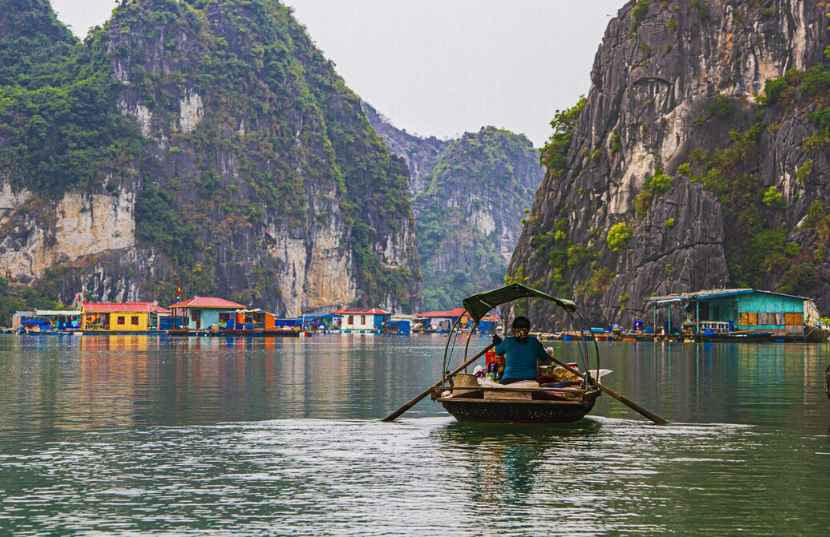
A well built circuit through the north, Hanoi, Ha Long Bay, and Sapa or Ha Giang, mirrors almost exactly what independent travellers end up piecing together anyway, minus the stress of booking an easy rider, negotiating a trekking guide, and crossing your fingers a sleeper berth happens to be free during peak season.
Trips N Tales runs a circuit covering this exact stretch through Vietnam with Phu Quoc, pairing the trickier logistics up north with island time down south. Built for travellers who want the mountain routes handled properly without losing the adventure that made going solo appealing in the first place.
Real details worth knowing before booking anything
Overnight sleeper trains and buses connect most of the country affordably, but booking during peak season without planning ahead can mean a bad berth or no seat at all. Book a few days out through a reliable platform rather than assuming a same day ticket will just appear. SIM cards matter from the very first day, not just for maps, ride hailing apps like Grab genuinely need a working local number to function at all.
Street food culture makes solo dining a total non issue almost everywhere in Vietnam, communal seating at food stalls means nobody blinks at a table for one, it’s simply how the whole country eats. And the gap between a tourist trap and a genuinely local spot often comes down to walking one street further than the main strip, especially true on Ta Hien in Hanoi or Bui Vien in Ho Chi Minh City. Worth experiencing once, sure, but that’s not where the good, cheap food actually lives.
A simple two week first timer route
Hanoi (3 days) into an overnight cruise in Ha Long Bay (2 days) into Sapa (2 days) into Hoi An via Da Nang (4 days) into Ho Chi Minh City (3 days) to fly home.
Packing checklist:
- Passport valid six or more months beyond travel dates
- Local SIM sorted on arrival
- Power bank
- Padlock for hostel lockers
- Layers for the mountain regions, temperatures drop fast at altitude
- Comfortable walking shoes
- Basic medical kit and travel insurance documents
Before booking anything
Most of Vietnam is genuinely easy solo. A realistic budget takes you far here, and a small handful of mountain routes are exactly where a group setup stops being a nice to have and becomes the smarter call. Neither approach is wrong, it’s really just about knowing which parts of the country reward going it alone and which parts, quite firmly, don’t.
Ready for the mountain routes and the islands without the solo logistics headache? Check out Vietnam with Phu Quoc for a circuit built to cover exactly that.
Frequently asked questions
Hanoi, Hoi An, Da Nang, and Ho Chi Minh City are the easiest and most solo friendly destinations, thanks to walkable centers, strong hostel culture, and reliable transport connections between them.
Yes, with basic precautions. Petty theft in crowded areas and traffic are the more common concerns rather than violent crime, and staying aware in markets and busy streets covers most of the real risk.
Riding it solo on a motorbike through the mountain switchbacks is genuinely risky without experience. An easy rider tour, where a local drives while travellers ride along, is the safer and more common way to do it.
Backpacker style travel runs $15 to $25 USD a day, covering hostel dorms, street food, and local transport. Mid range travel with private rooms and more comfortable transport sits closer to $30 to $50 USD a day.
December through April, the dry season, covers most of the country comfortably. Mountain regions like Sapa and Ha Giang are best visited September to November or March to May, outside the coldest and wettest stretches.